“Burundian boutique coffee beans” search results (200)

Introduction to the flavor and taste characteristics of high-quality coffee beans in Burundian coffee producing areas
Coffee production in Burundi became privately owned in 2007, however, a considerable amount of government intervention and similar bribery still exist. On one occasion, a competitor's processing farm defrauded farmers of their salaries (only half paid, which is quite common in Burundi) in an attempt to prevent production farmers from cooperating with LMCP. They bribed local officials, blocked roads and hired a
2016-09-20 Burundi coffee variety producing area boutique coffee beans flavor taste characteristics introduction
Introduction of Burundian Coffee varieties treated by Grinding Calibration method for description of altitude Flavor
Burundian boutique coffee bean flavor characteristics Arabica coffee tree was planted in Cameroon in 1913, its variety is Jamaica's Blue Mountain coffee, but the country also produces a large number of Robbins coffee. The quality and characteristics of Cameroon coffee is similar to that of coffee from South America. The best coffee in the country comes from Bamileke and Bamoun in the northwest.
2016-10-19 Burundi Coffee altitude Flavor description Taste characteristics Grinding Calibration treatment
Introduction to the treatment of Burundian coffee beans with spicy aftertaste
The chaos of Burundian coffee has been going on for a long time, with a large number of old and new raw beans mixed together, making this coffee unsuitable for grading. This coffee is rough but mild, and has characteristics similar to Kenyan coffee. The flavor is sweet and fruity, with a slightly spicy finish. Dry aroma (1-5): not suitable for wet aroma (1-5): not suitable for acid
2016-07-12 Spicy aftertaste Burundi coffee beans treatment way method introduction
Burundian Coffee Flavor with Prunus Fruit Flavor introduction to boutique coffee beans in manor production area
Formerly known as Urundi, Burundi formed a feudal kingdom in the 16th century. Since the middle of the 19th century, the forces of Britain, Germany and Belgium invaded. The long-ruled monarchy, which was conquered by Germany in 1890, listed it as the territory of German East Africa and fell under the control of the Belgian army in 1916. After World War I, the League of Nations merged Rwanda-
2016-08-12 Plum fruit flavor Burundi coffee taste manor producing area characteristics boutique
Introduction to the taste and flavor characteristics of Burundian coffee manor with wild taste
Burundian coffee bears a striking resemblance to neighboring Rwanda, where coffee from the two countries is often confused. Burundian coffee is mainly grown in bourbon, with traditional wet processing of coffee cherries. Its boutique coffee is characterized by elegant sweetness and bright citrus aromas. This batch belongs to the bourbon species micro-batch Burundi (Burundi) has the world's largest species.
2016-09-09 Taste flavor sex Burundi coffee manor producing area taste characteristics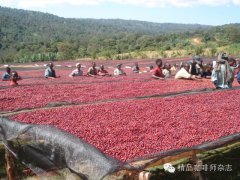
Single boutique boutique Burundian Burundi Brundi Champion processing Factory Kayanza province boutique coffee
Coffee is Ethiopia's main economic crop and the country's largest crop export and important industry. It accounts for 60% of Ethiopia's total export value and supports many small farms, as well as sugar, bananas and cotton. It is also Ethiopia's largest and important commodity export crop after oil, and it is also the largest export of Elaraby in Africa, in 1997.
2016-07-08 Single boutique Burundi Brunei Champion processing Plant Card
Introduction to the characteristics of Burundian Coffee Bean Flavor extraction time Grinding method
[Bulongdi Champion processing Plant] is located at the Maerdadi Peak of the Panjia treatment Plant in Cabuye District, Cajun Province. It is very high above sea level, and even has mountains over 2000 meters. The soil is fertile, the soil is humid, and the coffee grows very well. It is generally recognized as the best coffee processing plant in Burundi. Bean parameters: country: Burundi growth: 1750 m production area: Kayanza Kabuye
2016-10-19 Burundian coffee beans flavor taste extraction time grinding processing characteristics products
Description of aromatic Burundian Coffee Flavor introduction to the taste of fine coffee beans in the producing area
Burundi coffee was introduced by Belgian colonists in 1930. Unfortunately, many of these farms are on the border with war-torn Rwanda, putting pressure on coffee production. Coffee production in Burundi: Burundian coffee is now grown only on small farms. Almost all the coffee produced in Burundi is Arabian coffee beans.
2016-09-26 Aromatic rich Burundian coffee flavor description producing area characteristics boutique
Introduction to the characteristics of the manor producing area of Burundian boutique coffee beans
There are many plateaus and mountains in Burundi, most of which are made up of the plateau on the east side of the East African Rift Valley. The national average elevation is 1600 meters, which is known as the mountain country. According to the topography of Burundi, it can be divided into three regions: the western plain, along the Ruzizi River, the Rift Albrtine plain, 774 to 1000 meters above sea level; and the central and western mountains, with an average elevation of 1700 meters, with the highest peak in Bujumbura.
2016-08-16 Burundi boutique coffee beans flavor taste manor producing area characteristics introduction cloth
Description of Burundian Coffee Bean Flavor, characteristics of Grinding degree, quality and taste treatment method
Generally speaking, the aroma, caramel and color of Burundian coffee are produced in the caramelization reaction, as well as other aromatic substances such as maltol, Cyclotene, furan compounds and so on. These compounds can also be found in red wine, fruit juices, cream and other foods. But if caramelization is too much during baking, it's not a good thing.
2016-10-20 Burundian coffee beans flavor description grinding characteristics quality taste processing introduction
Coffee flavor and taste of Bloomberg Manor area introduces Burundian coffee producing area of boutique coffee beans
The coffee production type of Bloomberg is similar to that of Yisuobi, and most of them are produced by small ones. Farmers in the Nielu Deer Co-operative Society (Nyarunasi Cooperative) send their harvested ripe fruits to the processing system for unified treatment. The coffee collected by the people is washed and processed with traditional water. After the fruit is removed, the coffee is soaked and washed in the sink and placed on the scaffolding to be dried every day.
2016-07-18 Broom coffee flavor taste manor producing area introduction boutique coffee beans bloom
Rich aromatic Burundian coffee beans with excellent acidity introduce Elaraby coffee
Country of production: Burundian Grade: AA,FWS planting area: Buyendi Brand: Buyendi treatment: wet treatment appearance: 1dCompact 300grgrje 16-18SCR Variety: Jackson bourbon Note: due to ethnic secession, the chaos of Burundian coffee has been going on for a long time, with a large number of raw beans mixed with the old and new, making this coffee unsuitable for grading.
2016-07-02 Aromatic full-bodied with excellent acidity Burundi coffee beans introduction rabbi coffee
Burundi Coffee Flavor Variety Production Characteristics Boutique Coffee Farm Introduction
Le Parti de lUnit pour le Prés National-UPRONA (Party for Progress and Unity of Nations), founded in January 1959, is the largest Tutsi political party. After independence, the government was in power for a long time. After losing the multiparty elections in June 1993, he lost his ruling party status. After Buyoya returned to power in 1996, there was a split in the party, with radical groups opposing Buyoya's ethnic and political views.
2016-09-22 Burundi Coffee Flavor Variety Region Characteristics Boutique Coffee Bean Manor Medium
Introduction to the flavor of Burundian coffee bean manor mainly producing bourbon
Country of production: Burundian Grade: AA,FWS planting area: Buyendi Brand: Buyendi treatment: wet treatment appearance: 1dCompact 300grgrje 16-18SCR Variety: Jackson bourbon Note: due to ethnic secession, the chaos of Burundian coffee has been going on for a long time, with a large number of raw beans mixed with the old and new, making this coffee unsuitable for grading.
2016-07-02 To production bourbon mainly Burundi coffee beans manors producing areas flavor introduction
Introduction to the flavor and taste of Burundian boutique coffee beans with a spicy aftertaste
There are two major ethnic groups in Burundi, and only about 15 percent of the Tutsi have ruled the country since the 16th century, controlling the civilian population, which is mainly made up of Hutu, plus a very small number of indigenous Twa. This abnormal social structure in which ethnic minorities occupy a high position has buried the evil seed of national instability, and in 1
2016-08-12 Spicy aftertaste Burundi boutique coffee beans flavor taste manor producing area special
Description of Burundian Coffee Flavor with spicy aftertaste introduction to the planting environment of the producing area
Burundi coffee was introduced by Belgian colonists in 1930. Unfortunately, many of these farms are on the border with war-torn Rwanda, putting pressure on coffee production. Coffee production in Burundi: Burundian coffee is now grown only on small farms. Almost all the coffee produced in Burundi is Arabian coffee beans.
2016-09-19 Spicy aftertaste Burundi coffee flavor description producing area characteristics planting environment
Description of Burundian Coffee Flavor with sour Coffee in Citrus introduction to the characteristics of grindness treatment in producing areas
Country: Burundian growth: 1750 m production area: Kayanza Kabuye roasting degree: moderate roasting treatment: traditional wet treatment varieties: bourbon seed processing plant: Parma processing plant flavor: citrus acid, lemon, orange, almond aroma Burundian coffee has a striking resemblance to its neighboring Rwanda, the coffee produced in these two countries is often confused.
2016-10-13 Citrus acidity Burundi Coffee Flavor description Grinding treatment characteristics varieties
Burundian Coffee with Fruit Flavor and spicy aftertaste description of Grinding degree Variety characteristics of High quality Coffee in producing area
Londi Coffee bears a striking resemblance to neighboring Rwanda, where coffee from the two countries is often confused. Burundian coffee is mainly grown in bourbon, with traditional wet processing of coffee cherries. Its boutique coffee is characterized by elegant sweetness and bright citrus aromas. Burundi is a small landlocked country located on the border between eastern and central Africa.
2016-10-08 Fruit flavor spicy aftertaste Burundi coffee description grinding variety characteristics
Introduction to the description of the characteristics and flavor of Burundian coffee varieties in the growing environment
Burundi coffee was introduced by Belgian colonists in 1930. Unfortunately, many of these farms are on the border with war-torn Rwanda, putting pressure on coffee production. Coffee production in Burundi: Burundian coffee is now grown only on small farms. Almost all the coffee produced in Burundi is Arabian coffee beans.
2016-09-19 Plum fruit flavor Burundi coffee planting environment producing areas varieties characteristics description
How does Burundian coffee taste?
Burundi has the most diverse and successful coffee industry in the world, and has its own characteristics. Coffee in this country was introduced by Belgian colonists in 1930 and is now grown only on small farms. Unfortunately, many of these farms are on the border with war-torn Rwanda, putting pressure on coffee production. Coffee produced in Burundi.
2016-09-18 Burundian coffee flavor taste how Burundi Burund